
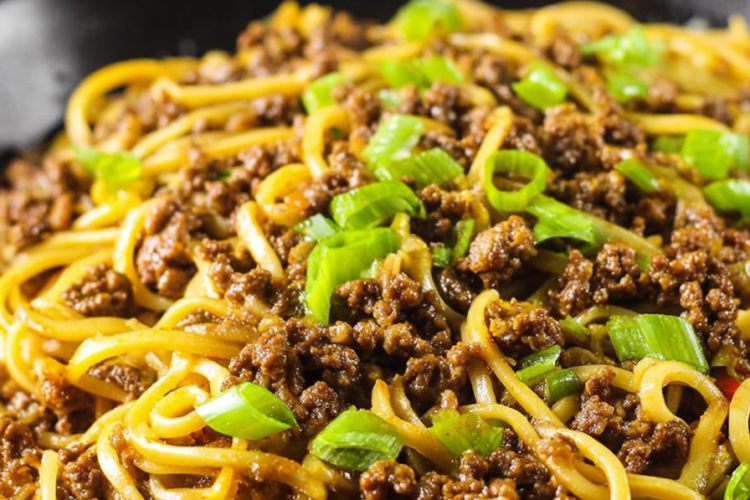
Look, I’m always on the hunt for recipes that taste like fancy takeout but don’t require me to wait 45 minutes for delivery.
These Ground Beef Mongolian Noodles? They’re exactly that.
Sweet. Savory. Loaded with flavor. And honestly? They’ve become my go-to when I need dinner on the table fast.
Here’s what I love most about this dish.
No fancy equipment. No weird ingredients you’ll only use once. Just ground beef, stuff from your pantry, and 25 minutes. That’s it.
The payoff? Tender noodles swimming in this glossy, umami-packed sauce that makes everyone come back for seconds.
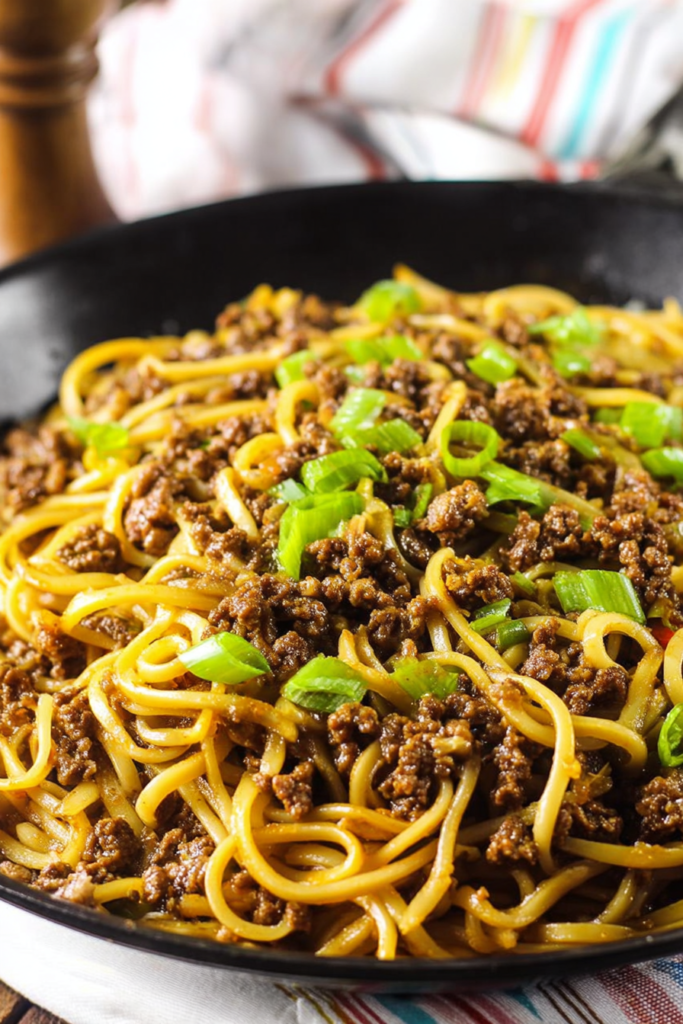
Why This Actually Works
I’ve tested a lot of noodle recipes over the years.
This one’s different.
First off, ground beef instead of sliced steak means zero prep work. No slicing. No marinating. Just brown it and you’re halfway done.
Second, the sauce literally makes itself while the beef cooks. You’re multitasking without the stress.
The flavor? It hits every note perfectly.
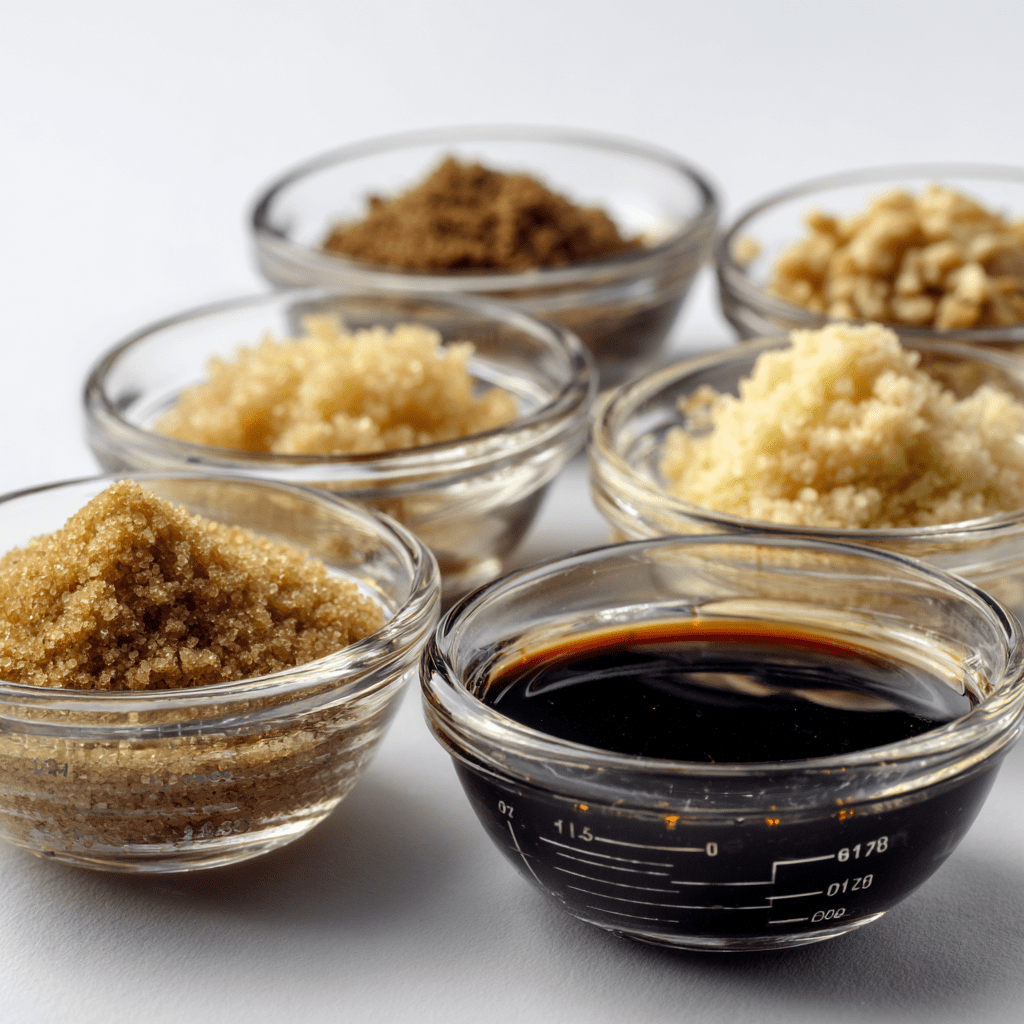
Brown sugar brings sweetness. Hoisin adds depth. Soy sauce gives you that savory punch. And fresh ginger with garlic? They fill your whole kitchen with this smell that makes my family magically appear in the doorway asking “what’s for dinner?”
I’m not even exaggerating.
Recipe Timing:
Prep Time: 10 minutes | Cook Time: 15 minutes | Total Time: 25 minutes
Servings: 4 | Difficulty: Easy
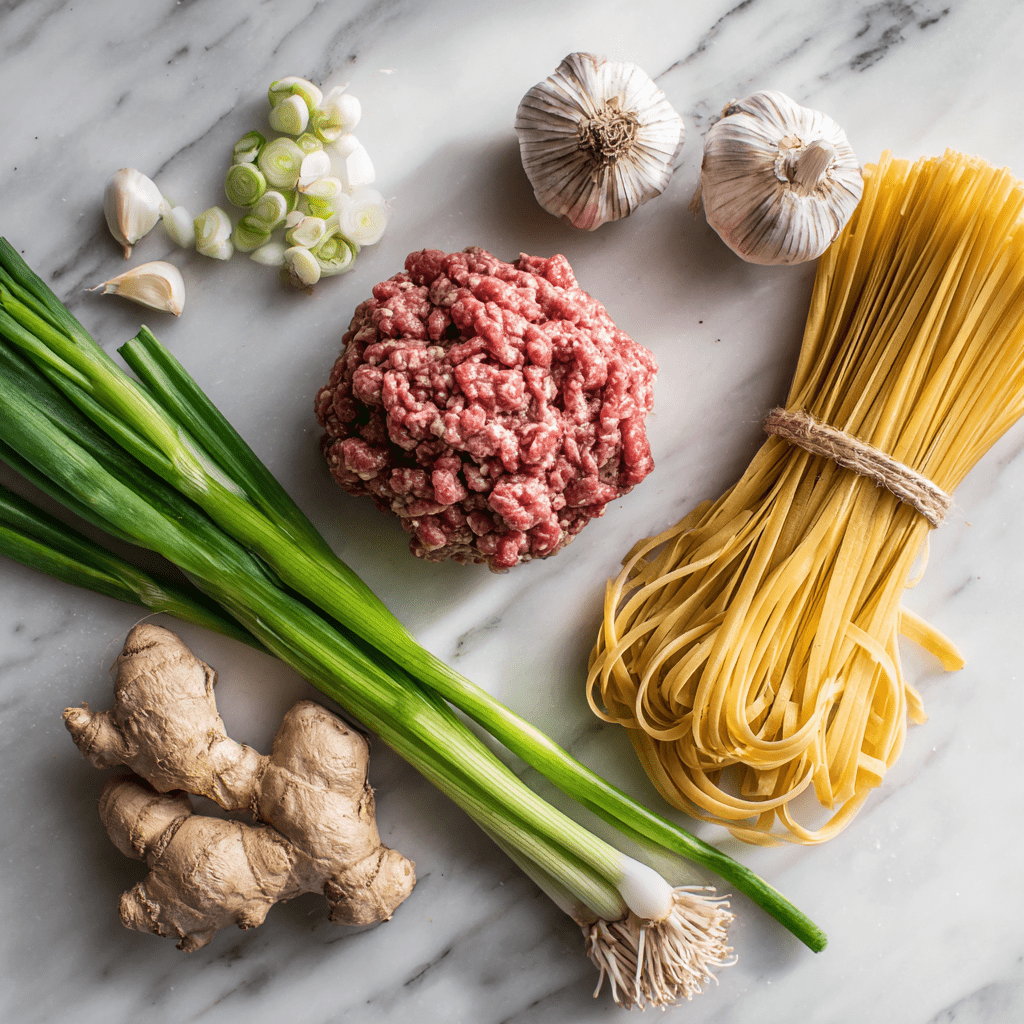
What You Need
Let me break down everything you’ll need for this.
I put it in a table because… well, it’s easier to see at a glance.
| Ingredient | Quantity | Notes |
|---|---|---|
| Lean ground beef | 1 pound | 90% lean works best |
| Fresh ginger | 4 teaspoons, minced | Must be fresh, not dried |
| Garlic cloves | 6, minced | Fresh or jarred in water |
| Brown sugar | ½ cup | Can reduce to ⅓ cup for less sweetness |
| Beef broth | ½ cup | Low-sodium preferred |
| Low-sodium soy sauce | ½ cup | Essential for controlling salt |
| Hoisin sauce | 4 tablespoons | Found in international aisle |
| Black pepper | ½ teaspoon | Freshly ground if possible |
| Red pepper flakes | ½ teaspoon | Optional, adds heat |
| Linguine noodles | 10 ounces | Fettuccine or spaghetti work too |
| Cornstarch | 1 tablespoon | For thickening sauce |
| Water | 2 tablespoons | To mix with cornstarch |
| Green onions | 4 medium, sliced | For garnish |
Equipment (Nothing Fancy)
You probably already have all this:
- Large skillet with high sides (a 5-quart braiser is perfect)
- Large pot for cooking pasta
- Measuring cups and spoons
- Wooden spoon or spatula
- Colander
- Small bowl for the cornstarch mix
Let’s Talk Ingredients First
Before we start cooking, I need to share some things about these ingredients.
Because understanding the why behind ingredient choices? That’s what takes you from following recipes to actually knowing how to cook.
The Ground Beef Thing
I always grab 90% lean ground beef.
Why?
It has enough fat to keep everything flavorful. But not so much that your sauce turns into an oil slick.
Can you use ground turkey, chicken, or pork instead? Absolutely. Just make sure it has some fat content. Otherwise your dish will taste dry and sad.
Fresh Ginger is Non-Negotiable
I mean it.
Dried ginger won’t cut it here. It just tastes… wrong. Flat. Medicinal almost.
Fresh ginger brings this bright, zingy flavor that makes the whole dish come alive.
Never worked with fresh ginger before? Don’t worry.
Here’s what you do:
- Find it in the produce section
- Grab a small knob (seriously, a tiny piece goes far)
- Peel it with a spoon (easiest method ever)
- Mince it up finely
And get this… fresh ginger keeps for weeks on your countertop. So you’ll use it again.
Garlic Matters (But There’s a Shortcut)
Fresh garlic is my first choice. Always.
But look, I get it. Sometimes you’re tired and jarred minced garlic is calling your name.
If you go that route? Choose one that’s packed in water, not oil.
Just please… don’t use garlic powder here. It won’t melt into the sauce right, and you’ll lose that pungent, aromatic quality that makes this dish special.
The Soy Sauce Lesson I Learned the Hard Way
Use low-sodium soy sauce.
Trust me on this.
I made this recipe once with regular soy sauce and it was borderline inedible. Why? Because hoisin sauce is already pretty salty.
The low-sodium version lets you actually control the salt level. Your taste buds will thank you.
Finding Hoisin Sauce
Head to the international foods aisle.
Hoisin is this thick, sweet Asian barbecue sauce that’s essential for authentic Mongolian flavor. There’s really no good substitute.
The good news?
A bottle lasts forever in the fridge. So you’ll get your money’s worth.
Let’s Actually Cook This Thing
Okay. Let me walk you through exactly how I make this in my kitchen.
Step 1: Get Your Water Boiling
Fill your big pot with water and crank the heat to high.
Wait, should you salt it?
Nope. Not for this recipe.
The sauce has all the seasoning you need. While the water heats up, move on to step 2.
Step 2: Brown That Beef
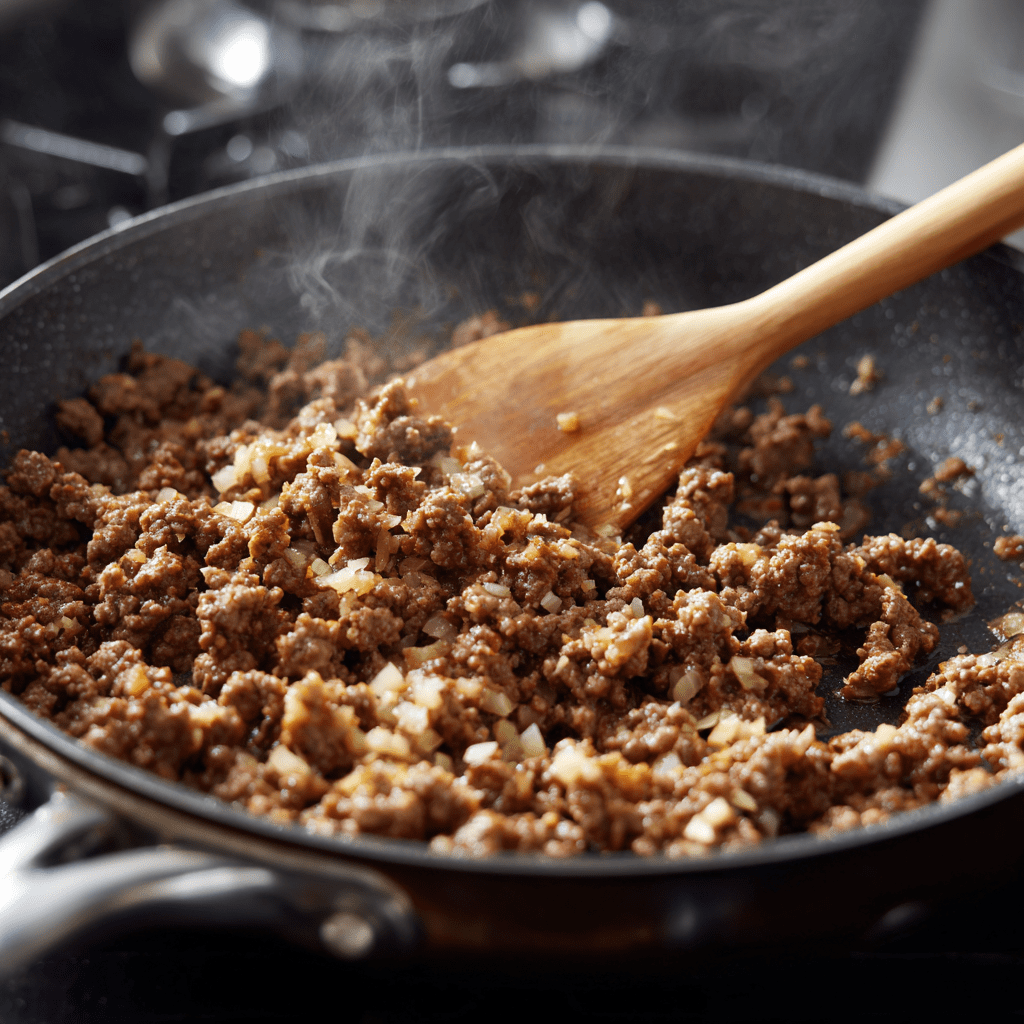
Put your skillet over medium-high heat. Add the ground beef.
Now here’s a tip a chef friend taught me…
Stop stirring so much.
I know it’s tempting. But let the meat sit for a minute or two. Let it develop a nice brown crust. Then break it up. Let it brown again.
This creates way deeper, more complex flavors.
Cook the beef for about 8 minutes total.
During the last 2 minutes of cooking, add your ginger and garlic.
Why wait? Because you want them fragrant and soft, not burned. Burned garlic tastes bitter and ruins everything.
Step 3: Cook Those Noodles
Water boiling? Great.
Add the linguine. Cook according to the package directions. Usually takes 9-11 minutes for al dente.
Set a timer. Seriously. It’s easy to forget.
When they’re done, drain them and set aside.
Step 4: Drain the Beef
Your beef should be fully cooked now. No pink left.
Carefully drain off any excess fat. I usually just tip the skillet over my sink, using my wooden spoon to hold the beef back.
Return the drained beef to the skillet. Put it back on the burner over medium heat.
Step 5: Make the Magic Sauce
This is where it gets good.
Add everything to the beef:
- Soy sauce
- Beef broth
- Brown sugar
- Red pepper flakes
- Black pepper
- Hoisin sauce
Stir it all together. The brown sugar will start dissolving. The sauce will bubble gently. Your kitchen will smell amazing.
Step 6: Thicken It Up
Grab your small bowl.
Mix the cornstarch and water together. Stir until the cornstarch completely dissolves.
This is called a slurry. Fancy word for “sauce thickener.”
Pour it into the beef mixture. Stir constantly.
Bring everything to a gentle boil. Within a minute or two, you’ll see the sauce thicken. It should coat the back of your spoon nicely.
Too thick? Add a splash of beef broth.
Step 7: Noodle Time
Add your drained noodles straight to the skillet.
Use tongs or two wooden spoons to toss everything together. Every strand of pasta needs to get coated in that gorgeous, glossy sauce.
This takes a couple minutes of patient stirring. But it’s worth it.
Step 8: The Secret Rest Period
Here’s something most people skip.
Don’t.
Turn off the heat. Let the noodles just sit in the sauce for 3-4 minutes.
What happens during this time?
The pasta absorbs the flavors. The sauce settles into the perfect consistency. This resting period makes a noticeable difference.
Step 9: Make It Pretty
Transfer everything to your serving bowls.
Scatter those sliced green onions over the top. They add this fresh, sharp contrast to the sweet-savory sauce.
Got sesame seeds? Sprinkle some on. Adds a nice nutty touch.
Pro Tips I’ve Learned
I’ve made this recipe probably 30+ times now.
Here’s what I’ve figured out:
Save Some Pasta Water
Before draining your noodles, scoop out about half a cup of that starchy pasta water.
If your sauce seems too thick after combining everything? Add a few tablespoons of this water. It helps the sauce stick to the noodles better.
Stop Noodles from Clumping
Need to wait a few minutes before combining noodles with sauce?
Toss them with a tiny drizzle of neutral oil. Keeps them from sticking together in one big mass.
Build Deeper Beef Flavor
After browning your beef but before draining, try this:
Push all the beef to one side of the skillet. Let the exposed pan surface get really hot for 30 seconds.
This creates extra caramelization. More caramelization = more flavor.
Adjust the Sweetness
That half cup of brown sugar makes this pleasantly sweet.
But maybe you’re not a sweet-sauce person?
Start with a third of a cup. You can always add more at the end.
Add Some Veggies
Bell peppers, broccoli, snap peas, shredded carrots… they all work beautifully here.
Add them when you add the ginger and garlic. They’ll cook through perfectly.
Control the Heat Level
Red pepper flakes are optional.
Want it mild? Leave them out.
Want moderate heat? Use the full half teaspoon.
Want serious spice? Double them.
Other Noodle Options
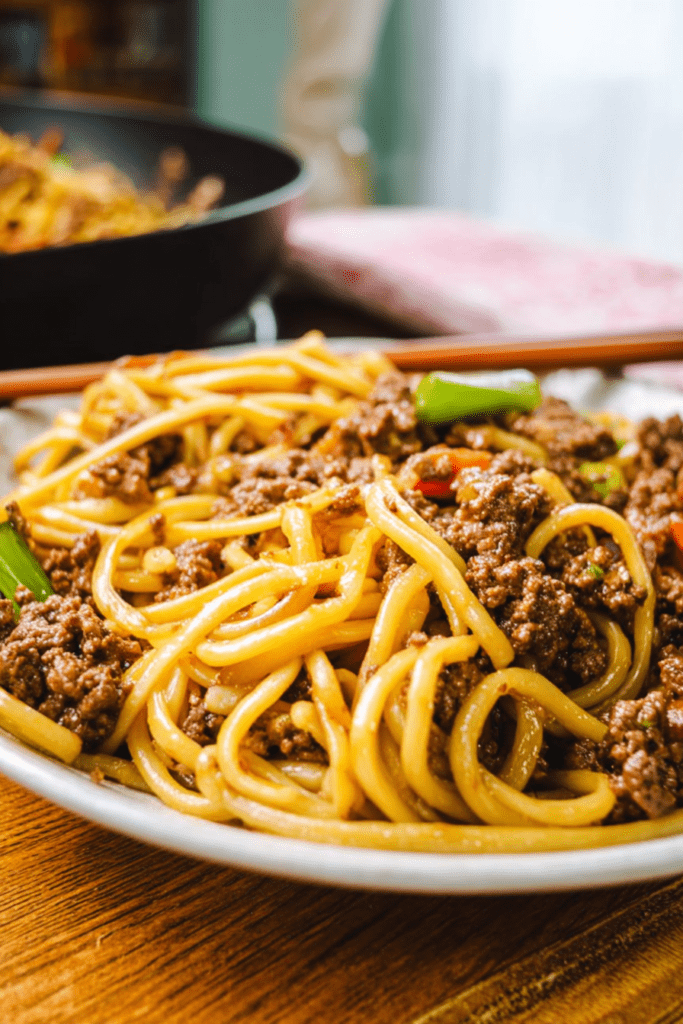
I usually use linguine because I always have it.
But this sauce works with basically any noodle. Let me break down your options.
Udon Noodles
Thick. Chewy. Japanese.
These are fantastic at soaking up sauce. Their substantial texture makes every bite satisfying.
You’ll find them in the refrigerated or frozen section of Asian markets.
Fresh Ramen
Not the instant kind. I’m talking about fresh ramen here.
Great chew. Holds up beautifully to the sauce.
Only have instant ramen? Fine. Just ditch the seasoning packet and use the noodles.
Lo Mein Noodles
These Chinese egg noodles bring an authentic touch.
They’re slightly thicker than spaghetti. Tender-chewy texture. Perfect for stir-fry style dishes.
Rice Noodles
Naturally gluten-free. Absorb sauce like champions.
They have a softer, more delicate texture though. So be careful not to overcook them. They’ll fall apart.
Good Old Spaghetti or Fettuccine
Italian pantry staples work perfectly fine.
I’ve made this with both many times. Nobody’s ever complained as long as that sauce is on point.
Make It Your Own
This recipe is super flexible.
Here are some things I’ve tried that worked great:
Protein Swaps
Ground turkey = lighter version
Ground pork = adds richness
Ground chicken = lean option
Just adjust cooking times slightly. Different proteins cook at different speeds.
Vegetable Add-Ins
Sliced mushrooms? Yes.
Baby corn? Absolutely.
Water chestnuts? Love them.
Bamboo shoots? Brings authentic Asian restaurant vibes.
Frozen stir-fry vegetable mixes work in a pinch too.
Extra Flavor Boosters
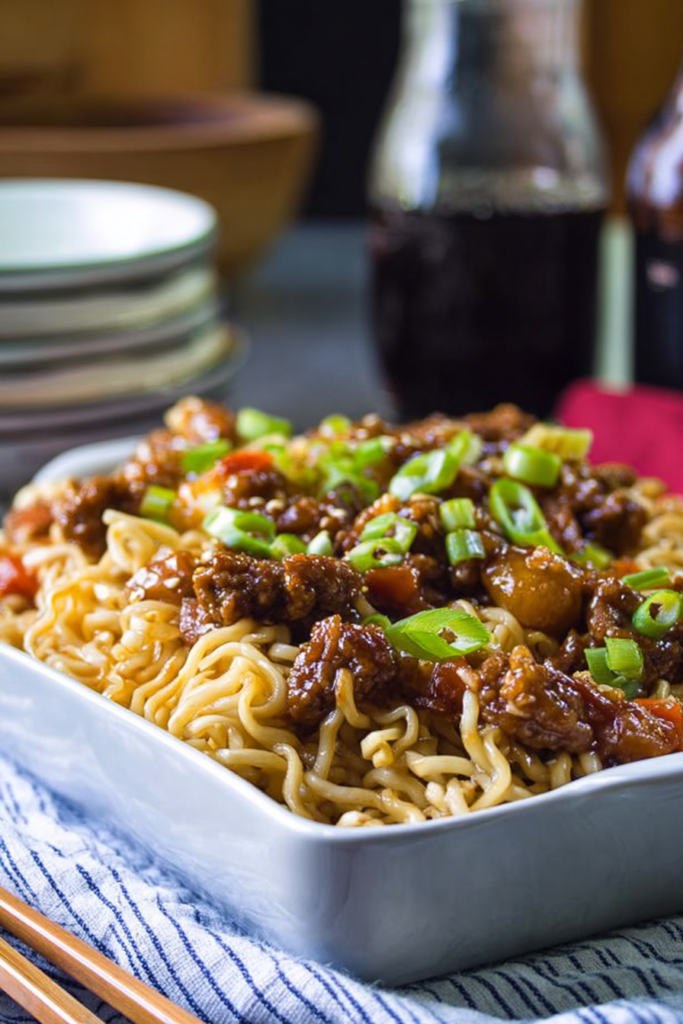
A tablespoon of sesame oil drizzled over the finished dish adds nutty depth.
A teaspoon of rice vinegar brightens everything up.
Some crushed Sichuan peppercorns create that tingling heat.
Crunch Factor
Want some texture contrast?
Sprinkle crushed peanuts or cashews on top. Crispy fried onions work surprisingly well too.
Leftovers and Storage
This makes generous portions. You’ll probably have leftovers.
Here’s how to handle them:
Store cooled leftovers in an airtight container. They’ll keep in the fridge for up to 4 days.
The noodles will absorb more sauce as they sit. So day two might seem less saucy. That’s normal. Still delicious.
How to Reheat
Stovetop method (my favorite): Place leftovers in a skillet over medium heat with a splash of beef broth or water. Stir gently until heated through. Takes about 5 minutes.
Microwave method: Add a tablespoon of water to keep things from drying out. Heat in 1-minute intervals, stirring between each.
Don’t Freeze This
I learned this one the hard way.
The noodles get mushy when frozen and thawed. The texture suffers big time.
Just… don’t.
Questions People Always Ask
Can I make this ahead of time?
Sort of.
You can brown the beef with garlic and ginger. Refrigerate it in a sealed container for up to 2 days.
When you’re ready to eat, reheat the beef, make the sauce, cook fresh noodles, and combine everything.
This keeps the noodles from getting soggy.
What if I can’t find hoisin sauce?
Hoisin is really key to getting that authentic Mongolian flavor.
But in an absolute emergency?
Mix these together:
- 2 tablespoons soy sauce
- 2 tablespoons peanut butter
- 1 tablespoon honey
- 1 teaspoon rice vinegar
- Pinch of Chinese five-spice powder
It won’t be identical. But it’ll work.
Is this spicy?
Not by default, no.
The base recipe is sweet and savory. The optional red pepper flakes add heat, but half a teaspoon gives just subtle warmth.
Want serious spice? Add sriracha or chili garlic sauce to taste.
Can I use even less sugar?
Yep.
I’ve made this with as little as a quarter cup of brown sugar. The sauce won’t be as glossy or intensely sweet. But it’s still delicious.
Start conservative. Add more if you want.
Why no salt in the pasta water?
The sauce is already pretty salty from the soy sauce and hoisin.
Salting the pasta water can push it into “way too salty” territory.
Plus, the noodles get coated in sauce anyway. They pick up plenty of seasoning.
What’s the best way to mince ginger?
Peel it with the edge of a spoon. This removes just the thin skin.
Then either:
- Use a microplane grater for super fine results
- Chop it as finely as you can with a sharp knife
- Use a garlic press (yep, works for ginger too)
Final Thoughts
This recipe has saved my weeknight dinners more times than I can count.
It’s faster than ordering takeout. Tastes better too. And uses ingredients I almost always have on hand.
The best part?
It’s forgiving.
Forgot the red pepper flakes? Still great.
Only have ground turkey? No problem.
Can’t find fresh ginger this one time? Fine, use jarred.
The core combo of beef, sauce, and noodles delivers every single time.
I really encourage you to make this your own. Try different noodles. Add vegetables. Adjust the spice level. Play around with it.
Once you’ve made it a few times, you’ll develop your own rhythm. You probably won’t even need the recipe anymore.
Give it a shot tonight.
I think you’ll be as hooked as I am.
And when your family asks where you learned to make such incredible noodles?
Just smile and tell them it’s your new secret weapon.
Ground Beef Mongolian Noodles
Ingredients
- 1 pound lean ground beef 90% lean works best
- 4 teaspoons fresh ginger minced, must be fresh not dried
- 6 garlic cloves minced, fresh or jarred in water
- 1/2 cup brown sugar can reduce to 1/3 cup for less sweetness
- 1/2 cup beef broth low-sodium preferred
- 1/2 cup low-sodium soy sauce essential for controlling salt
- 4 tablespoons hoisin sauce found in international aisle
- 1/2 teaspoon black pepper freshly ground if possible
- 1/2 teaspoon red pepper flakes optional, adds heat
- 10 ounces linguine noodles fettuccine or spaghetti work too
- 1 tablespoon cornstarch for thickening sauce
- 2 tablespoons water to mix with cornstarch
- 4 medium green onions sliced, for garnish
Instructions
- Fill a large pot with water and bring to a high boil. Do not salt the water.
- Place skillet over medium-high heat. Add ground beef and cook for 6 minutes, letting it sit to develop a brown crust before breaking it up. During the last 2 minutes, add minced ginger and garlic. Cook until beef is fully browned with no pink remaining (about 8 minutes total).
- Once water is boiling, add linguine and cook according to package directions (usually 9-11 minutes) until al dente. Set a timer. When done, drain noodles and set aside.
- Carefully drain excess fat from the cooked beef. Return drained beef to skillet over medium heat.
- Add soy sauce, beef broth, brown sugar, red pepper flakes, black pepper, and hoisin sauce to the beef. Stir together until brown sugar begins dissolving and sauce bubbles gently.
- In a small bowl, mix cornstarch and water together until cornstarch completely dissolves. Pour into beef mixture and stir constantly. Bring to a gentle boil until sauce thickens and coats the back of a spoon (1-2 minutes).
- Add drained noodles to the skillet. Use tongs or wooden spoons to toss everything together for 2 minutes, ensuring every strand gets coated in the sauce.
- Turn off heat and let noodles rest in sauce for 3-4 minutes to absorb flavors.
- Transfer to serving bowls and scatter sliced green onions over the top. Add sesame seeds if desired.
